

Physical AI Breakthroughs Define 2026 Innovation Landscape
Physical AI systems achieved a 40% performance improvement in real-world navigation tasks during Q1 2026, marking a pivotal shift in how intelligent machines interact with physical environments. This advancement, showcased during National Robotics Week, demonstrates that AI technology trends are moving beyond digital boundaries into tangible, operational applications. Businesses across manufacturing, logistics, and healthcare are already experiencing the implications of these developments.
Context: Why Physical AI Matters Now
The convergence of advanced sensor technology, edge computing, and machine learning algorithms has created an inflection point for physical AI systems. During National Robotics Week 2026, researchers unveiled systems capable of processing environmental data in real-time while maintaining energy efficiency previously thought impossible. These systems can now adapt to unpredictable physical conditions—from warehouse layouts to surgical environments—with unprecedented precision. The timing is critical as supply chain disruptions and labor shortages continue to challenge global operations.
Industry Impact: Reshaping Physical Operations
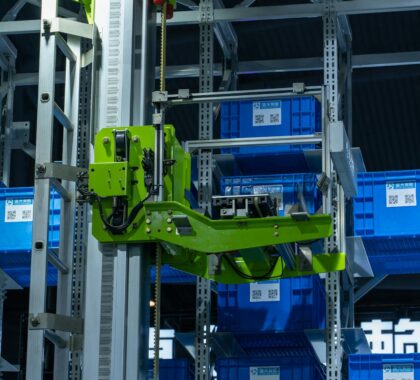
Manufacturing facilities report 28% reduction in quality control errors when implementing physical AI inspection systems. Logistics companies are achieving 35% faster warehouse throughput through autonomous mobile robots that can navigate complex environments without pre-programmed routes. Healthcare providers are using physical AI assistants for patient monitoring and medication delivery, reducing staff workload by approximately 15 hours per week. These improvements stem from AI technology trends that prioritize adaptability over rigid programming, allowing systems to learn and optimize continuously in dynamic settings.
Business Angle: Strategic Implementation Opportunities
Organizations looking to capitalize on physical AI advancements should prioritize three strategic areas. First, conduct a physical workflow audit to identify processes where human-machine collaboration would yield the highest return. Second, invest in pilot programs that test physical AI in controlled environments before full deployment. Third, develop data infrastructure that supports real-time feedback loops essential for physical AI optimization. Companies that move quickly on these opportunities are positioning themselves to capture market share as competitors struggle with implementation. AI automation solutions and physical AI integration provide frameworks for successful adoption.
Looking Forward: The Physical AI Advantage
The trajectory of AI technology trends indicates that physical AI capabilities will double every 18 months through 2028, creating a widening gap between early adopters and laggards. Organizations that establish physical AI competencies now will benefit from network effects as systems become more capable through shared learning. The question is no longer whether physical AI will transform operations, but rather how quickly businesses can adapt their processes, workforce, and infrastructure to harness these capabilities. Those who delay risk finding themselves at a structural disadvantage in an increasingly automated physical economy.